The Five Essential Home Exercises to Simplify Your Workout Routine
4/17/20265 min read
1. Weighted Squats: The Foundation of Strength
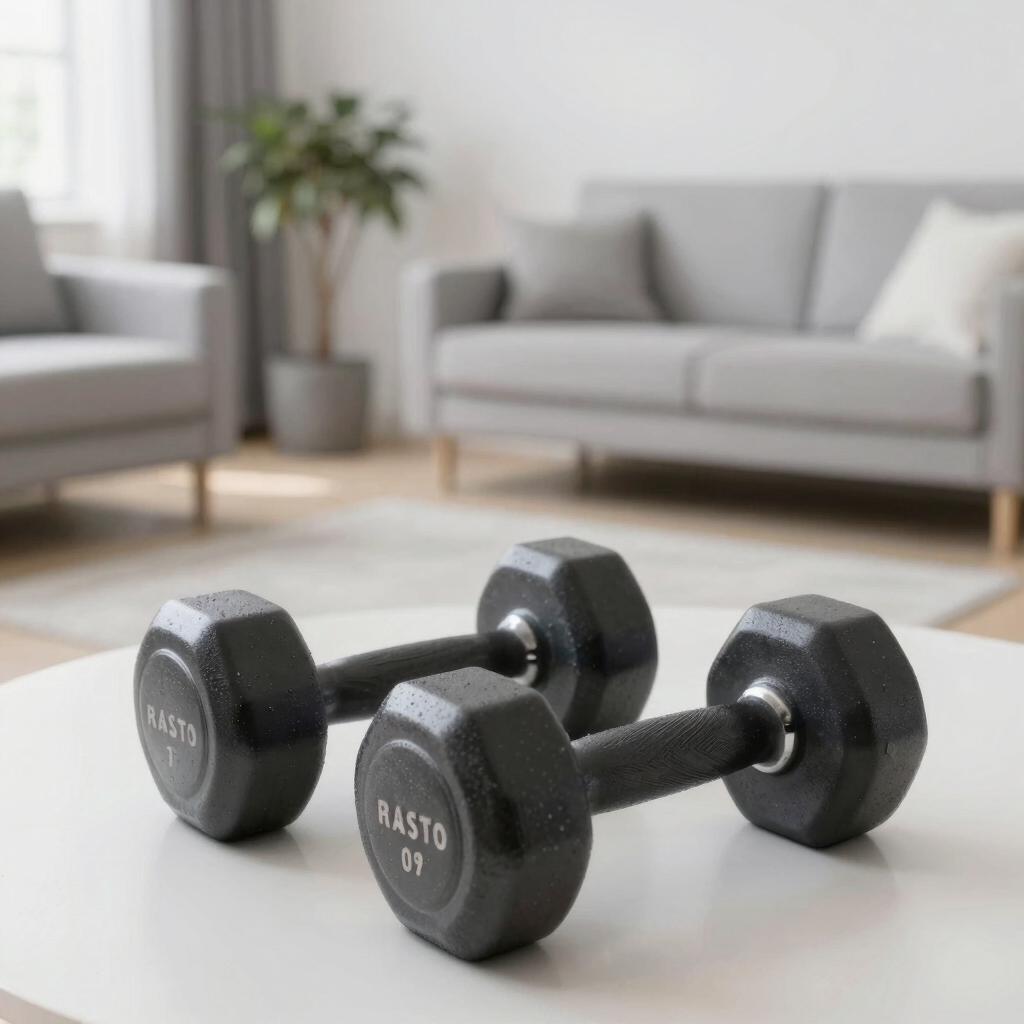
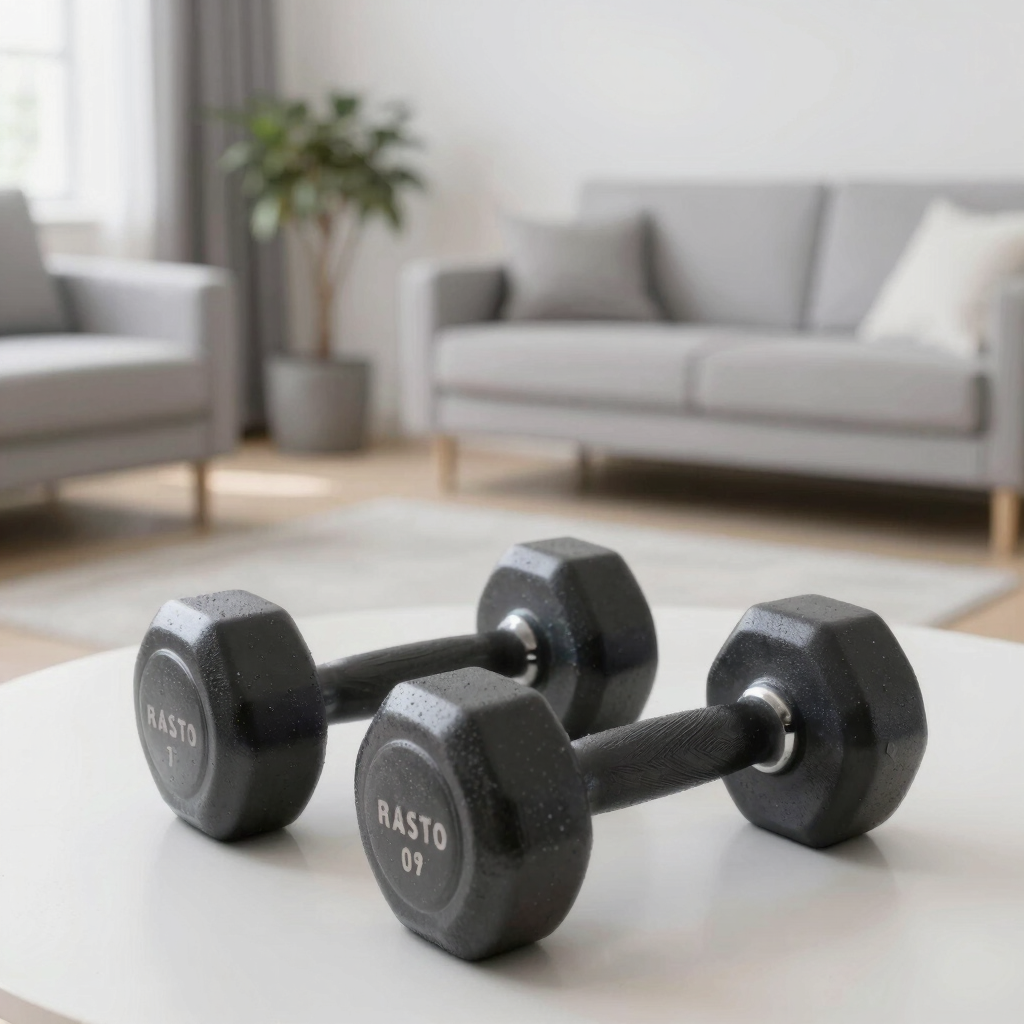
Weighted squats serve as a fundamental exercise for building strength, particularly in the lower body. This exercise engages multiple muscle groups, most notably the quadriceps, hamstrings, glutes, and lower back. By incorporating weighted squats into your home workout routine, you can significantly improve muscular strength and promote better functional fitness.
The primary benefit of weighted squats lies in their ability to enhance overall lower body strength. When performed correctly, this exercise can lead to increased muscle mass and improved endurance. Furthermore, weighted squats are beneficial for enhancing core stability, as they require a strong abdominal and back engagement to maintain proper form. This holistic engagement of several muscle groups contributes to a comprehensive workout effect.
Several variations of weighted squats can be easily integrated into a home workout routine. For instance, utilizing dumbbells or a barbell allows for adjustable weight levels, catering to different fitness levels. Bodyweight squats can also be executed for those starting out or in need of less resistance. Additionally, variations such as squat jumps or sumo squats can target specifically different muscle groups within the legs.
While performing weighted squats, it is crucial to emphasize proper form to avoid injury. Keeping your feet shoulder-width apart, aligning your knees over your toes, and maintaining an upright torso are fundamental elements to consider. It's common to make mistakes, such as leaning too far forward or allowing knees to buckle inward, which can lead to unnecessary strain on the joints.
Incorporating weighted squats into your home exercise regimen, along with maintaining proper form, can yield significant strength gains, making them an essential component of any effective workout routine.
2. Chest Press: Building Upper Body Power
The chest press is an essential exercise for developing upper body strength, effectively targeting major muscle groups such as the pectorals, deltoids, and triceps. Incorporating this exercise into your home workout routine can significantly enhance your overall strength and muscle definition, making it a favored choice for fitness enthusiasts.
Performing a chest press can be achieved through various methods, depending on the equipment available. One popular approach is using dumbbells, allowing for a full range of motion and engaging stabilizing muscles. If dumbbells are not accessible, resistance bands can serve as an excellent alternative, providing adjustable resistance as you press forward. Additionally, if one seeks a more advanced option, utilizing a bench press setup can yield impressive results, though it may require more space and gear.
To establish a balanced workout routine, it's recommended to perform three to four sets of 8 to 12 repetitions, which is optimal for muscle hypertrophy. For those just beginning, starting with lighter weights or lower resistance is advisable, gradually increasing as strength improves. A key aspect of integrating the chest press into your exercise regime is tracking your progress; this could involve incrementally adding weight or increasing repetitions as your endurance builds.
Correct posture is vital during the execution of the chest press to prevent injury and maximize effectiveness. Ensure that your back remains flat against the bench or surface, with feet firmly planted on the ground for stability. When lowering the weights, maintain a controlled motion, keeping elbows at a 45-degree angle to your body. This positioning not only protects your shoulders but also enhances the workout’s effectiveness by engaging the targeted muscle groups more thoroughly.
3. Bent Over Rows: Strengthening Your Back
Bent over rows are a cornerstone exercise that significantly enhances back strength, thereby improving overall posture. Engaging key muscle groups such as the latissimus dorsi, trapezius, and rhomboids, this movement not only aids in building muscle but also contributes to a more balanced upper body. Regularly incorporating bent over rows into your workout routine can lead to substantial benefits, including enhanced spinal stability and reduced risk of injury.
The execution of this exercise involves bending forward at the hips while keeping the back straight, allowing for effective targeting of the major back muscles. This positioning is crucial as it ensures that the muscles engage appropriately, aiding in the prevention of common injuries associated with improper form. It is also important to keep the core engaged during the exercise to support the lower back, further promoting safety and efficacy.
There are several variations of the bent over row that can suit different fitness levels or preferences. For instance, the traditional barbell bent over row can be adjusted by using dumbbells for a more controlled movement. Additionally, resistance bands can be employed to introduce a different element of resistance, suitable for beginners or those recovering from injury. As you progress, incorporating single-arm bent over rows can help target muscle imbalances and improve unilateral strength.
In summary, the bent over row is more than just a strength-building exercise; it is an essential addition to any workout regimen aimed at improving posture and overall back health. By focusing on proper techniques and gradually increasing resistance, individuals can enjoy the extensive benefits that come with stronger back muscles.
4. Glute Bridge and Its Role in Core Stability
The glute bridge is a highly effective exercise for enhancing glute strength and stabilizing the core, making it a fundamental component of any home workout routine. This exercise specifically targets the gluteus maximus, the largest muscle in the buttocks, while simultaneously engaging the core muscles, contributing to overall stability and strength. For athletes and fitness enthusiasts alike, strong glutes are crucial for optimal athletic performance and coordination in daily activities.
To perform a glute bridge correctly, begin by lying on your back on a flat surface, such as a mat or carpet. Bend your knees while keeping your feet flat on the ground, positioned hip-width apart. Ensure your arms are resting at your sides with palms facing down. Engage your abdominal muscles and push through your heels to lift your hips toward the ceiling, squeezing your glutes at the top of the movement. Hold this position for a moment before lowering your hips back to the starting point. Aim for 10-15 repetitions, gradually increasing as your strength improves.
There are several variations of the glute bridge that can amplify its intensity. The single-leg glute bridge, for example, involves lifting one leg off the ground while executing the bridge, thereby increasing the challenge on the supporting glute and core. Additionally, adding resistance through a stability ball or weights can further enhance the effectiveness of this exercise.
Moreover, the glute bridge can greatly contribute to increased hip mobility and lower back health. By promoting proper alignment of the pelvis and spine, glute bridges help alleviate tension commonly experienced in the lower back area. Overall, incorporating glute bridges into your workout regimen is vital for building strength, improving functional movement, and achieving a balanced workout. This exercise not only reinforces core stability but also supports long-term health and fitness goals.
5. Skull Crushers: Targeting the Triceps
Skull crushers are a highly effective exercise primarily targeting the triceps, which are the muscles located at the back of the upper arm. Strong triceps are crucial for enhancing overall arm strength and establishing stability in various upper body exercises, including push-ups and bench presses. Incorporating skull crushers into your workout routine can lead to improved performance and enhanced muscle definition.
To perform skull crushers at home, you will need either a barbell, dumbbells, or a resistance band. Start by lying on a flat bench or the floor, holding your chosen weight above your chest with your arms fully extended. Ensure your palms are facing towards your feet. Gradually lower the weight towards your forehead by bending your elbows while keeping your upper arms stationary. It is essential to lower the weight slowly and with control to minimize the risk of injury. Once the weight is near your forehead, push it back to the starting position by extending your elbows, engaging your triceps as you do so.
For beginners, using lighter weights or resistance bands is recommended to master the correct form before progressing to heavier loads. Variations of the skull crusher can be introduced to cater to different fitness levels. For instance, incline skull crushers can target the triceps from a different angle and may engage the shoulders more intensely. Another variation involves using a stability ball as a surface, which adds an element of core stability to the exercise.
Incorporating skull crushers into your upper body training routine is vital for achieving balanced muscle development. A strong set of triceps not only contributes to enhanced aesthetics but also plays a significant role in functional strength across various physical activities.
Empowerment
Strength and confidence for women in fitness.
Coaching
Fitness
mggoepp@gmail.com
(925)694-2797
© 2025. All rights reserved.